10 Interesting Facts about The Wichita Tribe
As a historian, I have always been fascinated by the Wichita Tribe’s origins. They traditionally lived in the Great Plains, primarily in what is now Kansas, Oklahoma, and Texas. I find it remarkable how their communities adapted to the prairie environment, developing sophisticated farming and hunting techniques that supported their society for centuries.
Cultural Practices
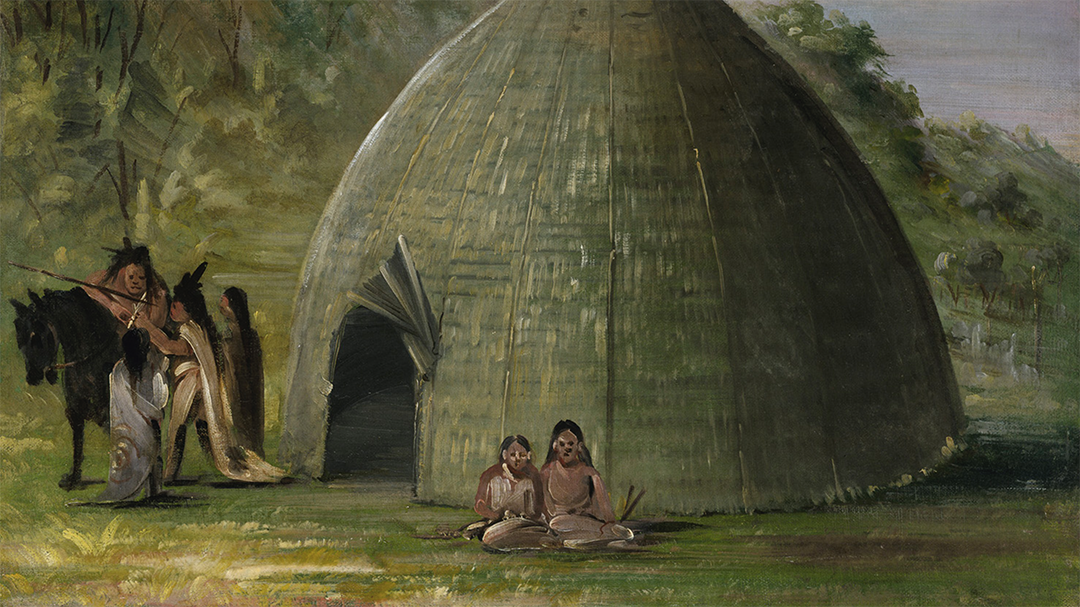
The Wichita people have a rich cultural heritage. They practiced unique rituals and ceremonies connected to nature and the seasons. Personally, I am amazed at their use of grass houses, which were ingeniously designed to provide shelter and withstand the harsh climate of the plains.
Language and Communication
The Wichita Tribe speaks a language belonging to the Caddoan family. I find it fascinating how the language preserves the tribe’s traditions and stories orally. Although the number of fluent speakers has declined, efforts to revitalize the language continue to inspire me about the resilience of indigenous cultures.
Relations with European Settlers
I am struck by the complex interactions between the Wichita and European settlers. Trade, alliances, and conflicts shaped their history, illustrating the adaptability and strategic thinking of the tribe. Understanding this history provides deeper insight into the challenges Native Americans faced during colonization.
Economy and Subsistence
The Wichita economy relied on both agriculture and hunting. They cultivated crops like corn, beans, and squash, while hunting bison provided essential protein and materials. I am particularly impressed by their sustainable practices, which balanced food needs with environmental stewardship.
Unique Clothing and Ornamentation
The Wichita people are known for distinctive clothing and body art. Women wore dresses decorated with beads and tattoos, while men adorned themselves with feathered headdresses. In fact, for a deeper appreciation of their artistry, The most interesting facts about the Wichita tribe highlight how these designs conveyed social status and tribal identity.
Government and Social Structure
I am fascinated by the Wichita’s social organization. They were structured into clans and governed by chiefs and councils who made decisions collectively. This system promoted cohesion and ensured that each family had a role in the tribe’s wellbeing, reflecting sophisticated governance for the time.
Religious Beliefs
Spirituality was central to Wichita life. They believed in spirits connected to nature and held ceremonies to honor them. I find their integration of daily life and spiritual practice deeply inspiring, as it demonstrates a worldview that emphasizes harmony with the environment.
Modern-Day Community
Today, the Wichita Tribe maintains its cultural identity while participating in contemporary society. They operate businesses, preserve historic traditions, and engage in education and cultural events. Observing these efforts, I feel admiration for their ability to retain heritage amidst modern challenges.
Legacy and Recognition
The Wichita Tribe has left a lasting impact on American history and culture. From agricultural innovations to artistic expression, their contributions continue to be recognized and celebrated. Personally, I find it fulfilling to study their history, as it illuminates resilience, creativity, and the enduring importance of indigenous cultures.
| Category |
Interesting Detail |
| Origins |
Traditionally inhabited Great Plains regions of Kansas, Oklahoma, and Texas |
| Cultural Practices |
Built grass houses and conducted rituals linked to nature and seasons |
| Language |
Member of the Caddoan language family, with revitalization efforts ongoing |
| European Interaction |
Engaged in trade, alliances, and conflicts with European settlers |
| Economy |
Combined agriculture (corn, beans, squash) and bison hunting sustainably |
| Clothing |
Beaded dresses, tattoos, and feathered headdresses reflected identity |
| Government |
Organized into clans with chiefs and councils for decision-making |
| Religion |
Spiritual beliefs connected to nature, ceremonies honored spirits |
| Modern Community |
Operate businesses, preserve culture, and engage in education |
| Legacy |
Influenced American history through agriculture, art, and cultural preservation |

